
New reports on the safety of ammonia and hydrogen as fuels in shipping
-
Published14.01.2026
-
Updated14.01.2026
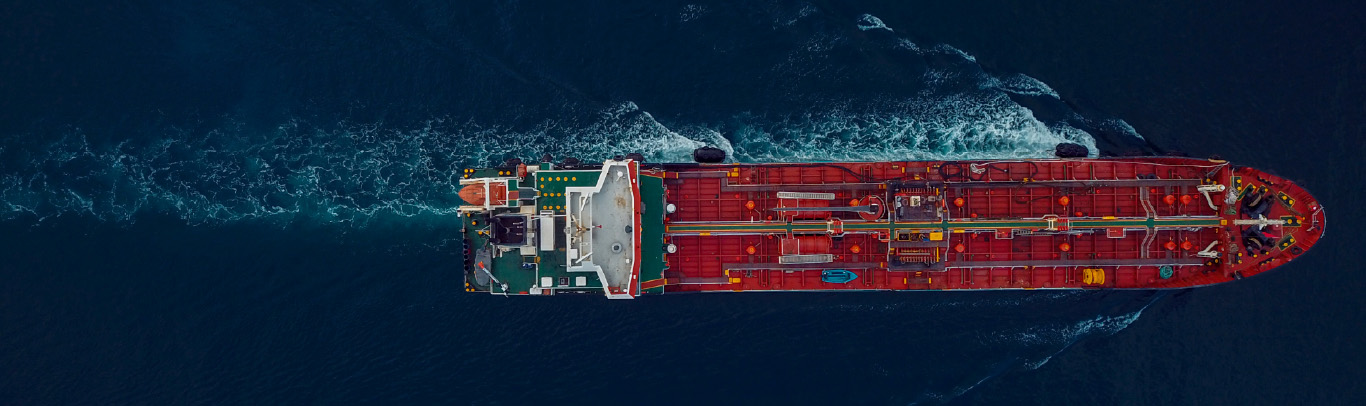
EMSA has launched two final reports in its study series investigating the safety of hydrogen as a fuel in shipping and the safety of ammonia as a fuel in shipping.
Both study series have been developed to assist national administrations, industry, and maritime stakeholders in the sustainable transition of shipping.
The study series on hydrogen includes an analysis of hydrogen’s main characteristics to frame which safety hazards, system threats and risks should be considered and mitigated when using hydrogen as ship fuel. It also encompasses the results of a reliability and safety analysis of equipment and safety-critical systems used in hydrogen-fuelled ships, and a comprehensive hazard identification for generic hydrogen fuel systems and the findings of a risk analysis of two generic hydrogen fuel system designs.
The series also includes the results of a risk analysis conducted on two specific ship types using hydrogen as fuel: a platform support vessel with compressed hydrogen stored above deck and a service operation vessel with liquefied hydrogen stored below deck
The final report presents conclusions and recommendations of a multi-part study, developed to support national administrations, industry, and maritime stakeholders in the sustainable transition.
The study series on ammonia includes an extensive analysis of ammonia’s properties and characteristics, and how these properties are applicable as a marine fuel, and the identification of critical equipment and failure modes and a quantitative evaluation of the reliability of ammonia systems.
The study also incorporates the results of a hazard and operability study of a generic ammonia fuel supply system from the fuel tank to the internal combustion engine, as well as hazard identification exercises on the use of ammonia as fuel in a Newcastlemax dry bulk carrier and a mega ro-ro, including risk assessment of scenarios in which there are simultaneous operations in ports.
The final report consolidates the study’s findings and recommendations, which can be used for future regulatory developments.
Find out more about EMSA’s studies on the safety of alternative fuels for shipping.
Recently published news


