
Improving Fuel Efficiency and Reducing Emissions in Search and Rescue Aviation Operations
Ireland
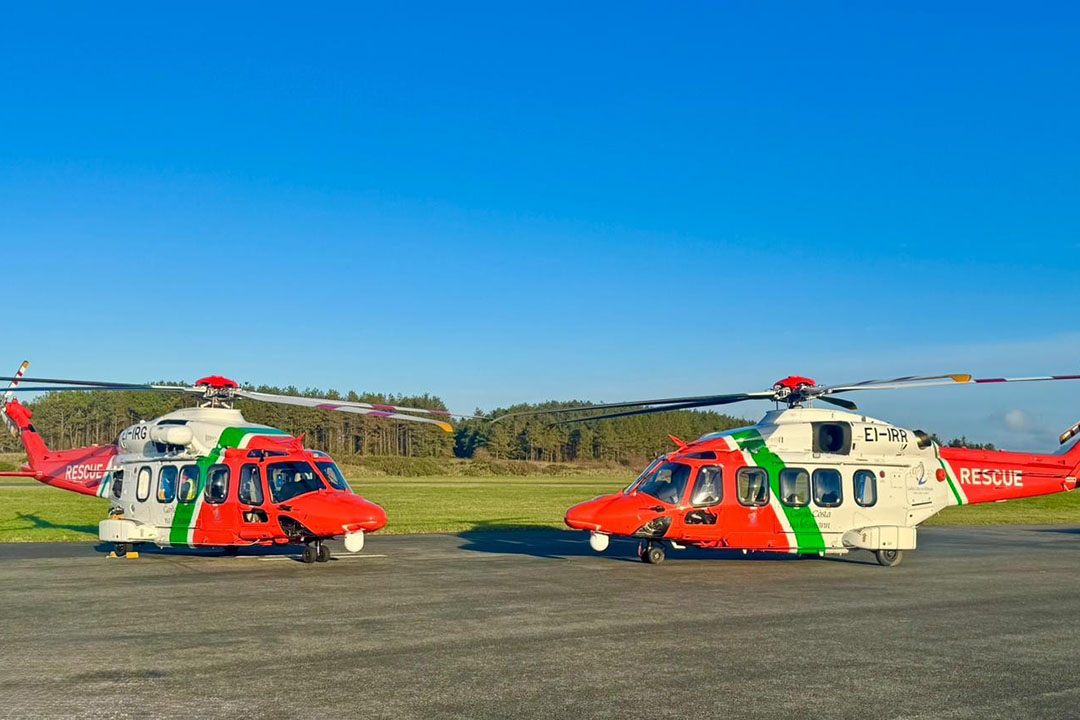
The Irish Coast Guard’s fleet of helicopters operate thousands of hours per year. They respond to across search and rescue missions, medical evacuations, maritime patrols, and emergency taskings right across the country.
As a result, aviation has historically been one of the Coast Guard’s largest contributors to energy use and emissions.
However, the introduction of a new helicopter type with a substantially reduced fuel consumption rate means that the Irish Coast Guard is able to make significant annual emissions savings across its search and rescue (SAR) aviation fleet. The new helicopters burn 175kg less of aviation fuel than the previous models, a saving that can translate into hundreds of tonnes of reduced CO₂ emissions annually, depending on operational tempo.
This change represents one of the most environmentally impactful operational upgrades ever undertaken by the organisation.
Beyond the aircraft itself, the Coast Guard is also implementing procedural changes to maximise fuel efficiency without compromising operational capability. The changes include improved flight planning processes, refined cruise speed profiles, weight management practices, and more efficient base to mission routing when safe and feasible. These enhancements further reduce fuel consumption during routine and mission flights. Across the board, the initiative demonstrates how essential emergency aviation services can lead in environmental responsibility while maintaining high readiness.