
Monitoring of real-world Black Carbon emissions from ships
Belgium
Black carbon (BC) is both an air pollutant and a driver of climate change. As well as posing a threat to human health, black carbon has a major impact when it precipitates in the Arctic region. It darkens the snow and the ice sheets, thus reducing the amount of light reflected and increasing heat retention.
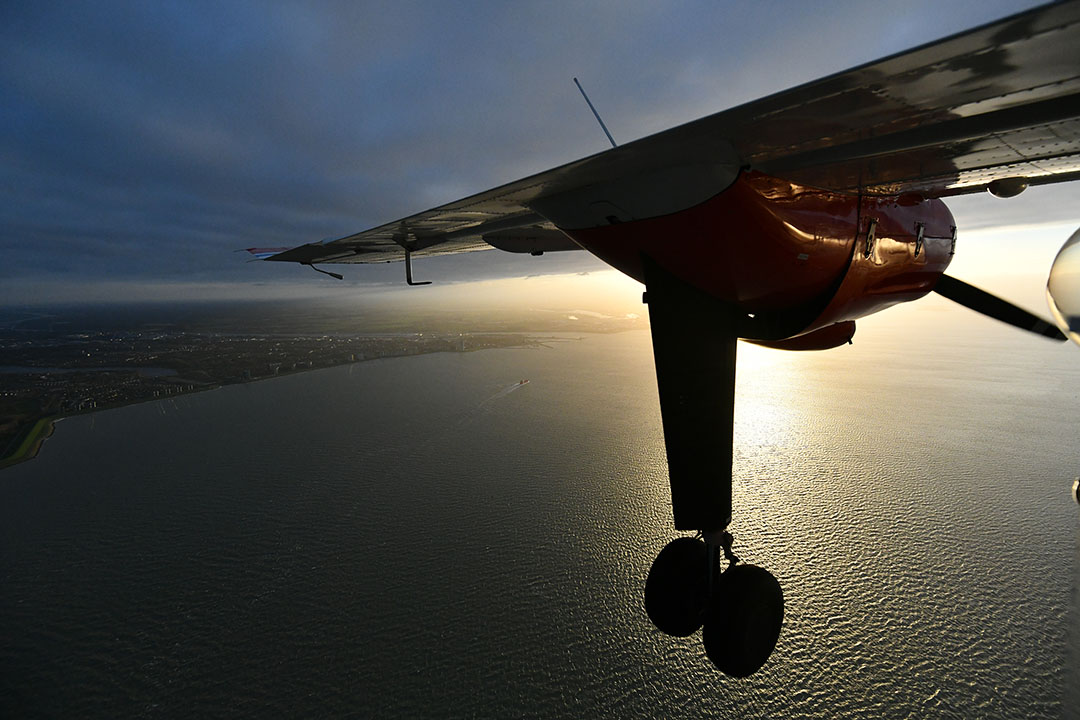
Between 2021 and 2024, the Royal Belgian Institute of Natural Sciences carried out the world’s largest campaign to measure black carbon emissions directly from ships at sea. Using advanced sensors mounted on the Belgian Coastguard aircraft, the Institute monitored nearly 900 ships of all types operating in one of the busiest shipping areas in the world: the North Sea.
This gave a real-world picture of how much black carbon ships emit under different conditions, engine loads, and emission abatement systems.
Data collected in the course of the research has already been published in scientific research and is shared within international bodies like the International Maritime Organization and the Bonn Agreement, helping shape future rules for greener shipping.
The project data also provides climate researchers with essential insights to better understand the global warming impact of shipping.