Study on Safe Bunkering of Biofuels
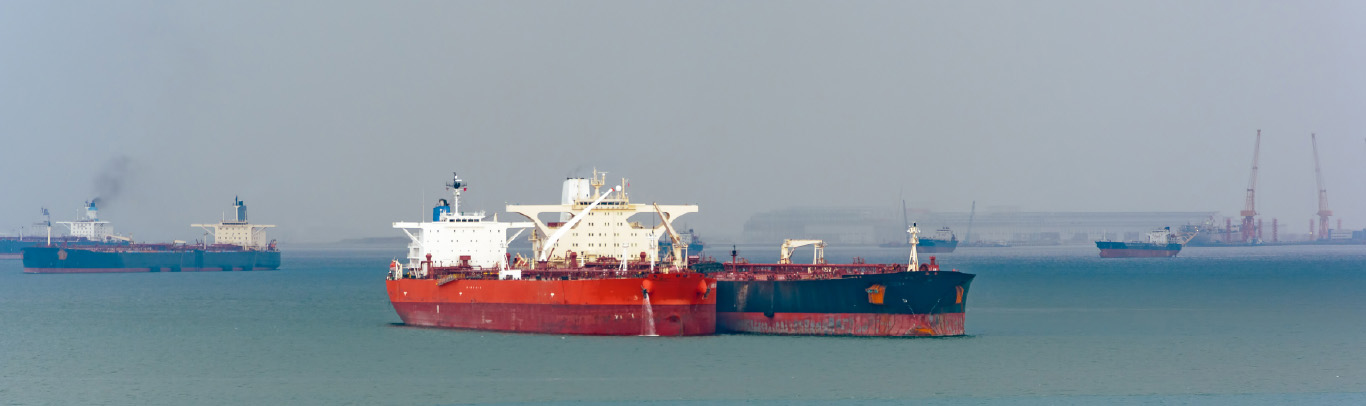
In the context of maritime decarbonisation, various biofuels have emerged as viable potential replacements for the traditional fossil fuels used by shipping. Although they are currently used by only a fraction of the global fleet, they have potential for wider adoption, including for ocean-going vessels.
However, despite the current bunkering of both neat biofuels and biofuel blends in shipping, there is a notable gap in widespread knowledge concerning these fuels and their associated safety implications.
As a result, EMSA has published a study series to address a gap in standardisation of procedures for marine bunkering of biofuel. The study builds on expert knowledge of the physical-chemical characteristics of selected biofuels (bio-methanol, FT-diesel, DME, HVO and FAME) and bunkering practices to identify possible risks and safeguards. The main outcome of this study is a Guidance document, including checklists for different bunkering phases and configurations.
This study series is part of EMSA’s support for national administrations, the port sector, and industry in the sustainable transition of shipping.
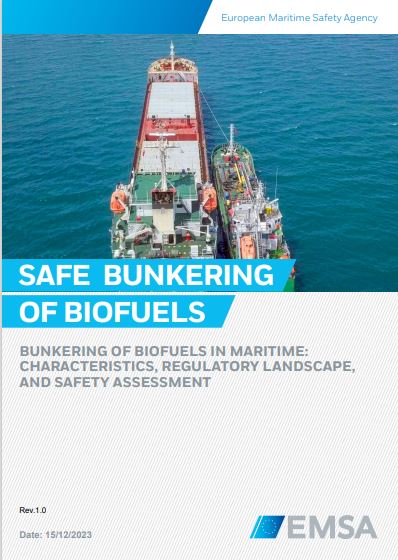 The first report of the study provides a comprehensive analysis of a pre-selection of biofuels in terms of safety aspects like flashpoint, toxicity, and cold-flow properties, among others, and how those aspects can raise safety concerns during bunkering operations in a preliminary hazard identification. The report also examines practices in other industries that may be applicable to the maritime sector and reviews the status of development of regulations for maritime use, specifically considering conventional bunkering arrangements. The first report of the study provides a comprehensive analysis of a pre-selection of biofuels in terms of safety aspects like flashpoint, toxicity, and cold-flow properties, among others, and how those aspects can raise safety concerns during bunkering operations in a preliminary hazard identification. The report also examines practices in other industries that may be applicable to the maritime sector and reviews the status of development of regulations for maritime use, specifically considering conventional bunkering arrangements. |
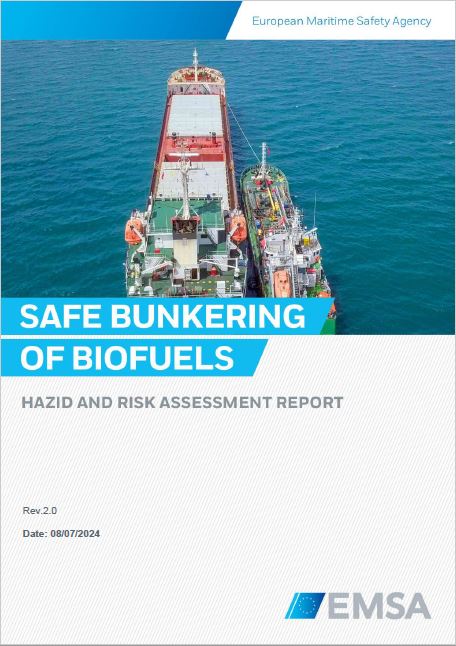 This report describes the results of a 3-day hazard identification workshop conducted by the contractor and with the participation of maritime stakeholders and EMSA experts for identifying and screening potential hazardous situations in bunkering of the selected biofuels, existing safeguards and recommendations for additional safeguards and risk mitigation measures. After the workshop, a qualitative risk ranking of each identified hazard was performed. This report describes the results of a 3-day hazard identification workshop conducted by the contractor and with the participation of maritime stakeholders and EMSA experts for identifying and screening potential hazardous situations in bunkering of the selected biofuels, existing safeguards and recommendations for additional safeguards and risk mitigation measures. After the workshop, a qualitative risk ranking of each identified hazard was performed. |
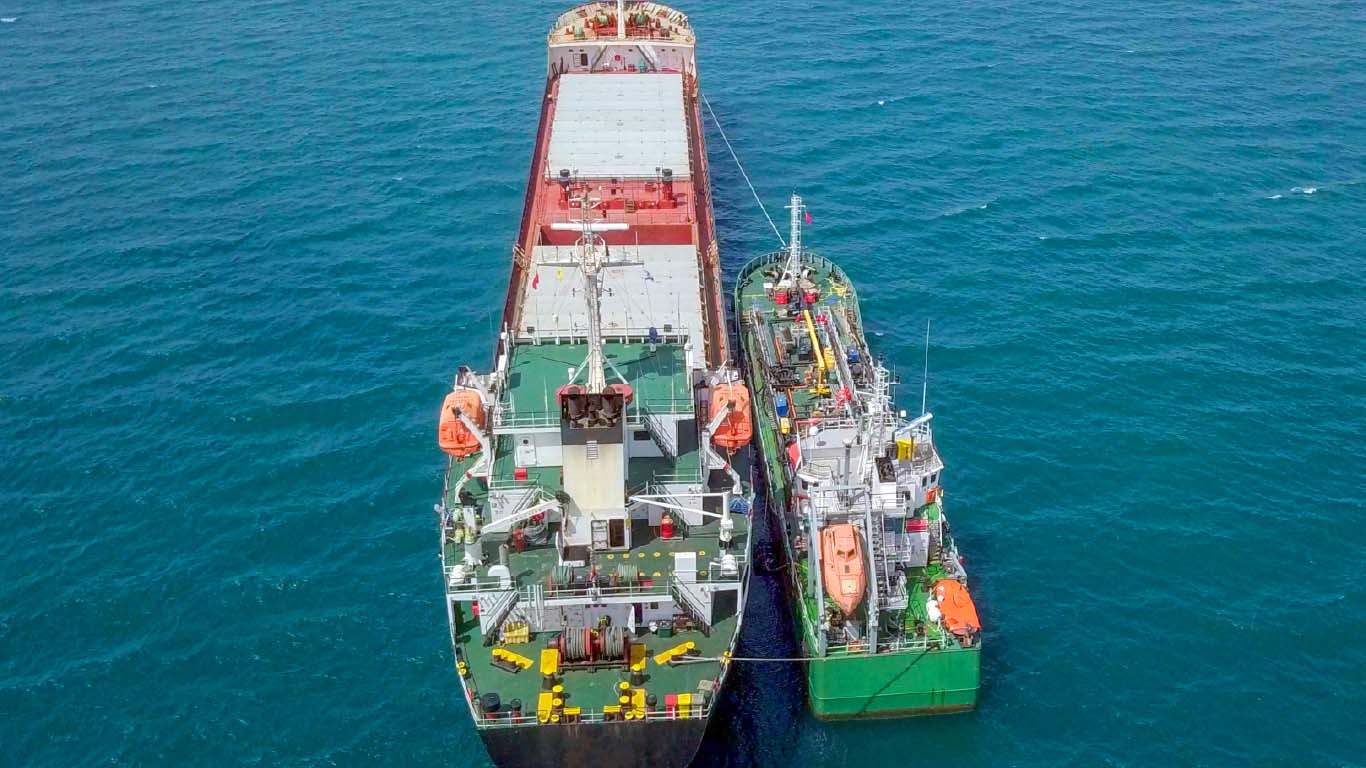
 A guidance document and checklists for the different bunkering phases (pre-bunkering, connection, transfer, disconnection and simultaneous operations) based on the results of the previous tasks of the study carried out by the contractor for EMSA. A guidance document and checklists for the different bunkering phases (pre-bunkering, connection, transfer, disconnection and simultaneous operations) based on the results of the previous tasks of the study carried out by the contractor for EMSA. |
 Providing an overview of the previous deliverables and method of work for achieving the results. Providing an overview of the previous deliverables and method of work for achieving the results. |